Young voices, long-term futures: a foresight workshop on solar radiation modification
Solar radiation modification could reshape the planet — but those who will live longest with that outcome are rarely in the room. CFG brought young Europeans into the conversation.
The world is on course for up to 3°C of warming by the end of this century. Solar radiation modification (SRM) — a set of technologies that could rapidly reduce global temperatures — is no longer a fringe idea. It is entering serious policy debate, and the decisions made now about whether and how to research, test, or deploy it will shape the world for decades.
Those decades belong, above all, to young people. Yet youth perspectives are largely absent from the emerging governance conversation.
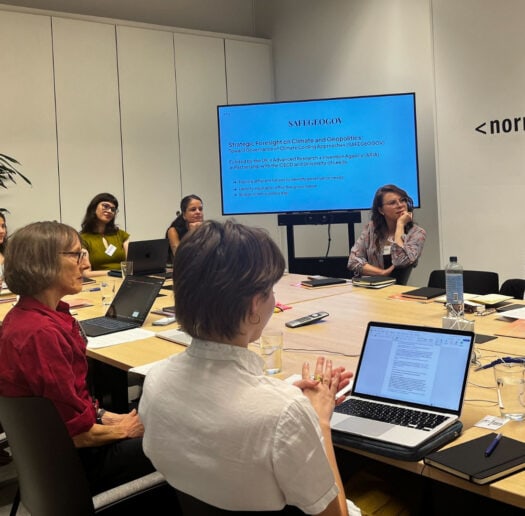
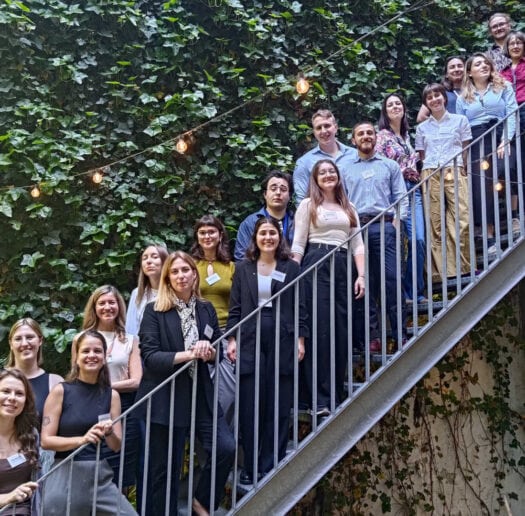
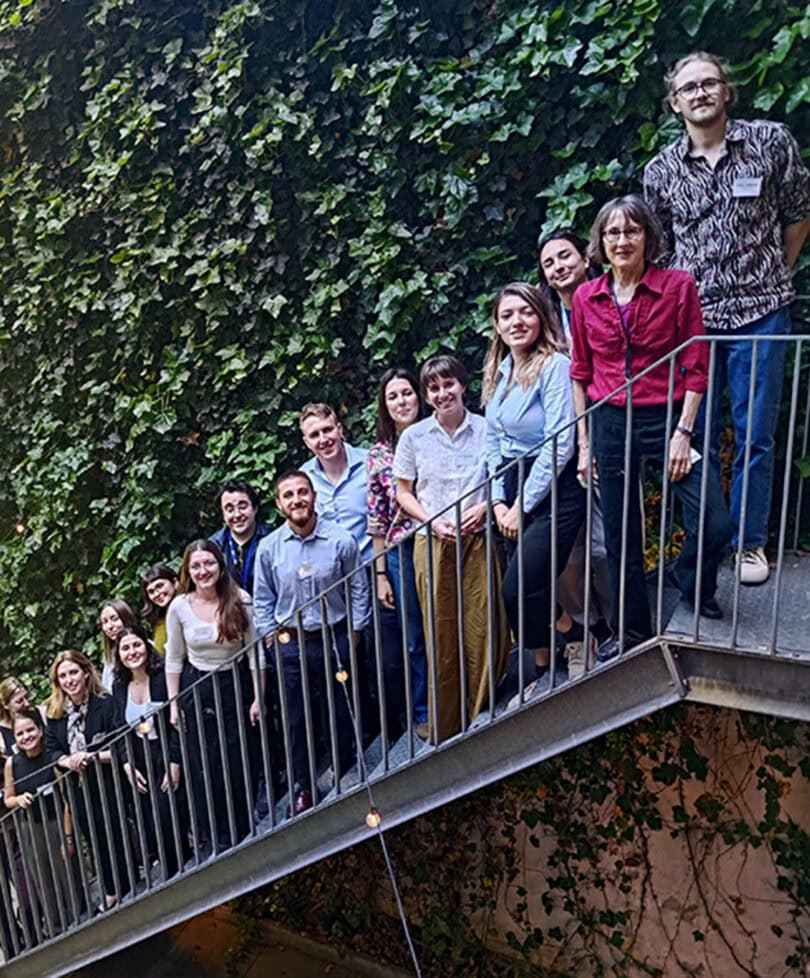
On 26 May, CFG’s Climate Interventions team hosted a foresight workshop in Brussels to begin changing that. Thirteen participants, drawn from youth organisations across Europe, spent the morning working through four scenarios for how SRM governance might develop by 2035 — ranging from an international research moratorium to widespread deployment. Using strategic foresight methods, they mapped the turning points that could lead to each outcome and examined what those futures would mean for the generation that would actually live in them.
The session was designed to do two things at once: build genuine understanding of a complex technology, and test foresight as a practical tool for youth engagement in long-term policy. What emerged was substantive. Participants identified that intergenerational fairness cannot remain a rhetorical commitment — it requires structured mechanisms to bring younger voices into governance processes at the point where positions are still forming, not after they have hardened.
They also reflected on what effective engagement actually requires: accessible science communication, clear channels for youth input into international governance frameworks, and recognition that the absence of knowledge is not the same as the absence of stakes.
CFG does not advocate for or against SRM. What we do advocate for is that decisions of this magnitude — technologies that could alter weather systems, agricultural conditions, and geopolitical relationships across generations — should not be made without the people most affected by them.
A follow-up workshop is planned for autumn 2026, where participants will learn to replicate the foresight methodology in their own organisations, schools, and communities.